01 / Initial visit
Evaluation & planning
A clinical conversation about your history, daily routines and goals, followed by an assessment and a proposed direction for care.
Typical self-pay$150–$350Good care starts with a clear conversation about the plan, the possible costs and the questions you want answered.
Prosthetic costs depend on limb level, socket design, component selection and coverage. These broad ranges help you prepare for a conversation; your care plan and estimate are built around your needs.
A clinical conversation about your history, daily routines and goals, followed by an assessment and a proposed direction for care.
Typical self-pay$150–$350Socket design, in-house fabrication, component selection and fitting, planned around your limb level and mobility needs. Our average custom-prosthesis turnaround is 6 to 8 weeks; individual timing depends on clinical needs.
Typical self-pay$5,000–$50,000+Design, in-house fabrication and fitting guided by your limb level, preferred tasks and the prosthetic system selected. Our average custom-prosthesis turnaround is 6 to 8 weeks; individual timing depends on clinical needs.
Typical self-pay$5,000–$75,000+Ranges are for planning, not a quote. Insurance coverage and out-of-pocket costs vary by plan; your team can discuss the proposed care and associated costs with you before fabrication.
Your limb level, goals, socket and proposed components shape the plan. They also shape the questions to ask about coverage and expected costs.
Benefits and out-of-pocket costs vary by insurance plan. Bring your coverage information to your visit so the conversation can focus on your proposed care.
We can discuss your care plan and associated costs before fabrication begins. Ask about anything in the estimate that needs a closer explanation.
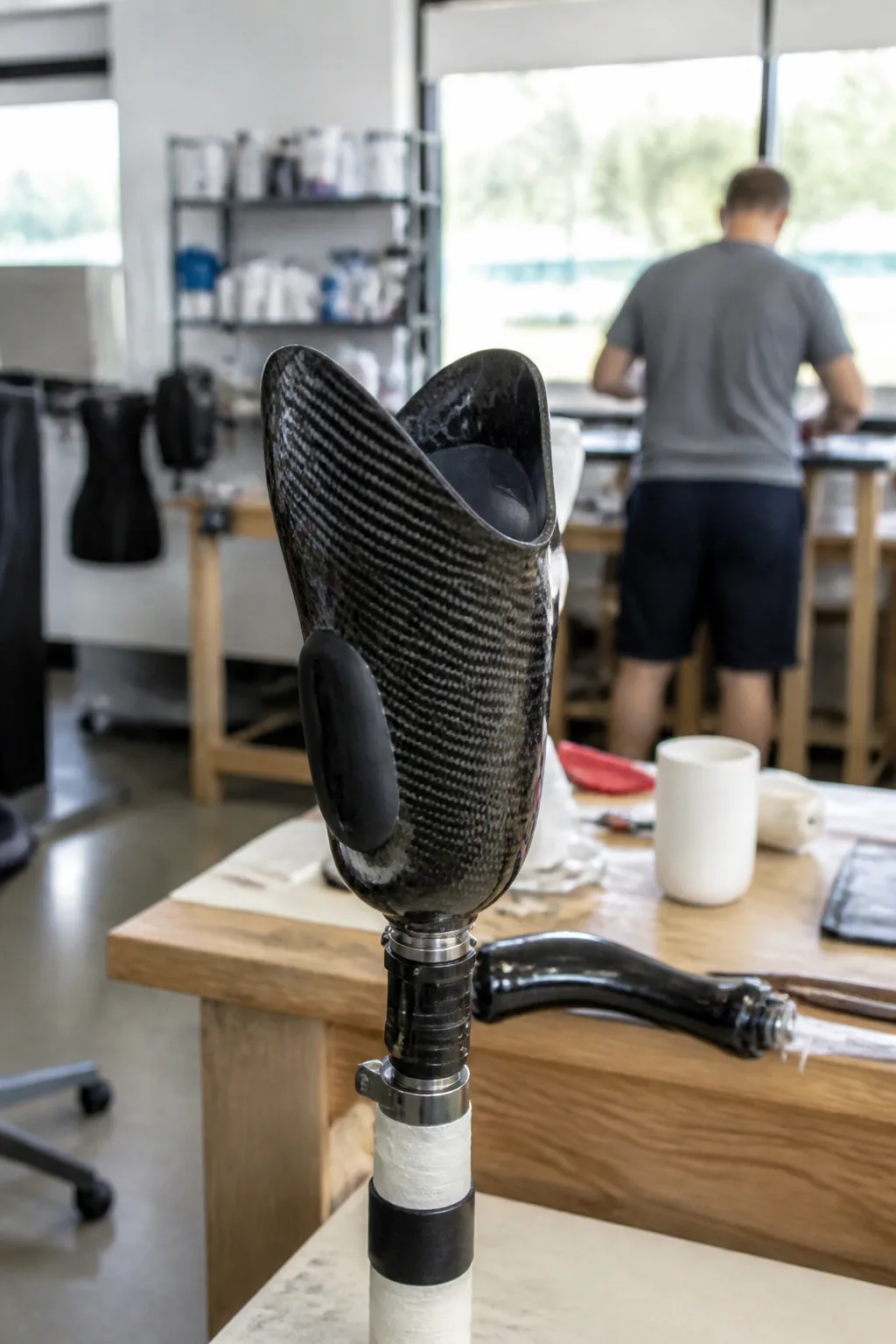
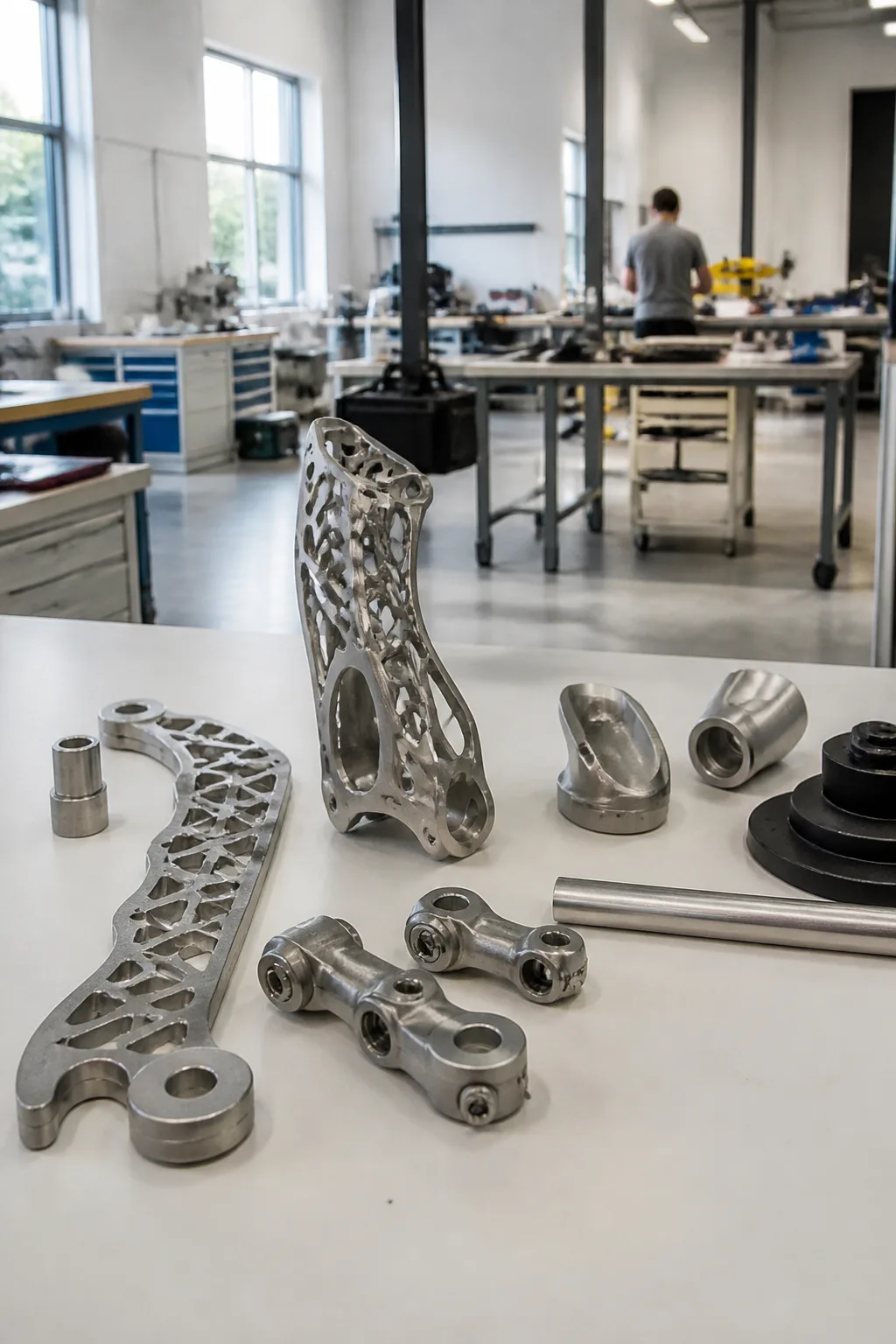
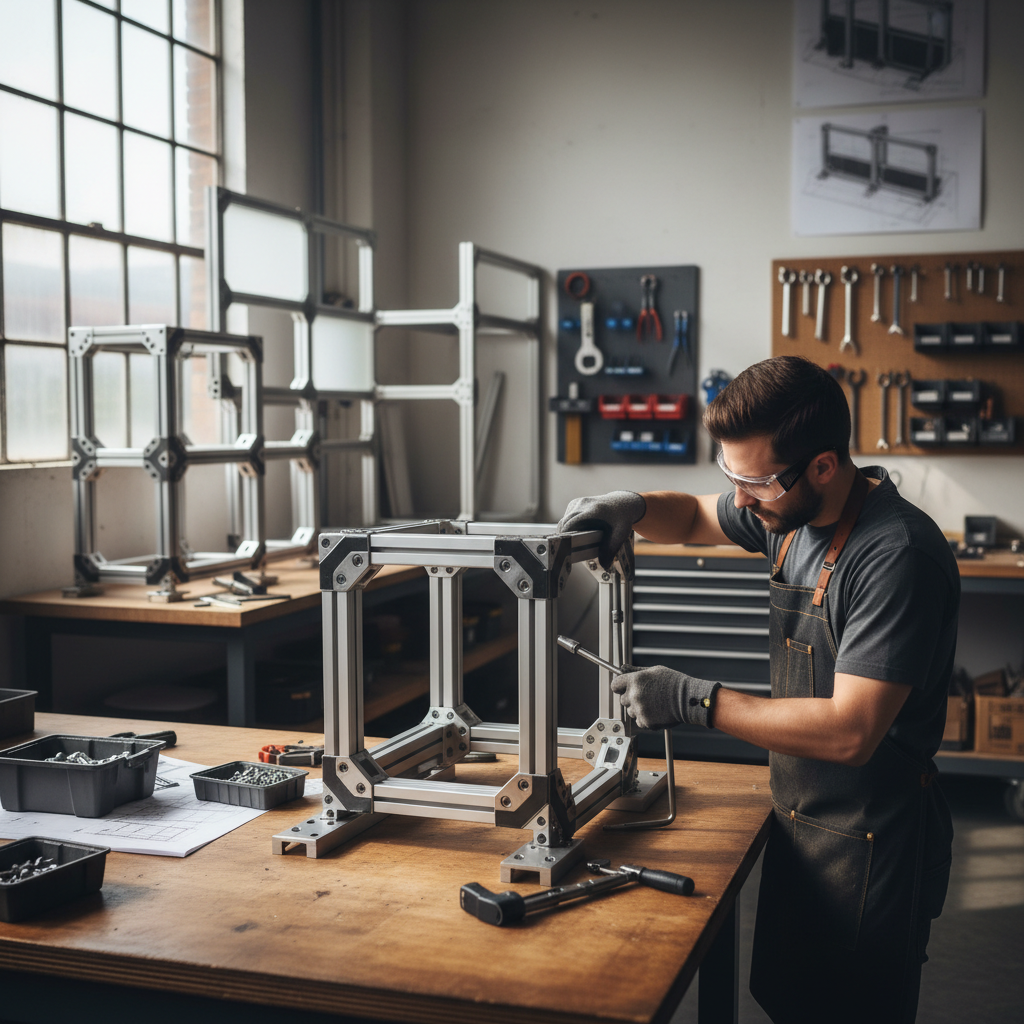
Clinical decisions and fabrication stay connected, from the first design through fitting and adjustments.
Coverage varies by plan and by the care proposed. Your limb level, socket design and components all matter to the estimate. Bring your insurance information to your visit so we can discuss the plan and the costs associated with it.
Not necessarily. The figures above are typical self-pay ranges, not a personal quote. Your estimate depends on your clinical plan, the system selected and any applicable insurance coverage.
After an evaluation establishes a proposed direction for care, your team can discuss the associated costs with you before fabrication. This is a good time to ask which parts of the plan affect the estimate most.
A residual limb and your daily demands can change. Follow-up care gives us a chance to assess fit, comfort and function, then talk through whether an adjustment, repair or new plan makes sense.
Whether you are preparing for surgery, considering your first prosthesis or reassessing a current fit, we can begin with a conversation in Dayton, Columbus or Cincinnati.